







Search Results for: Ice Order
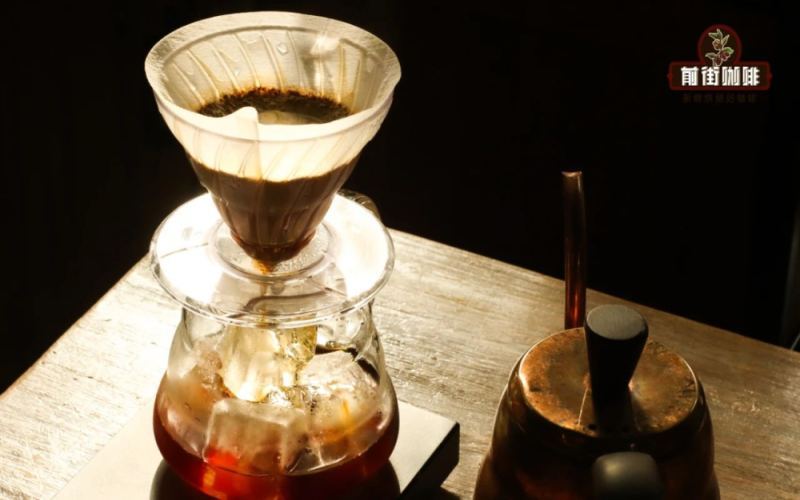
Comparing Ice Order in Iced Pour-Over Coffee: Brewing Differences and Flavor Performance Between Adding Ice First and Adding Ice Last
Iced pour-over coffee is a popular way to drink coffee in the heat of summer, but does the timing of when the ice is added—before or after brewing—really affect the final flavor? Front Street Coffee used Gold Label Geisha as a sample and conducted controlled brews at 93°C, comparing the similarities and differences between the two methods from the brewing process to the tasting experience. The article not only breaks down the specific steps for adding ice first versus adding ice later, but also records the flavor changes right after the first sip and after letting it sit for 5 minutes, helping coffee enthusiasts find the cup that better suits their own taste. [more…]
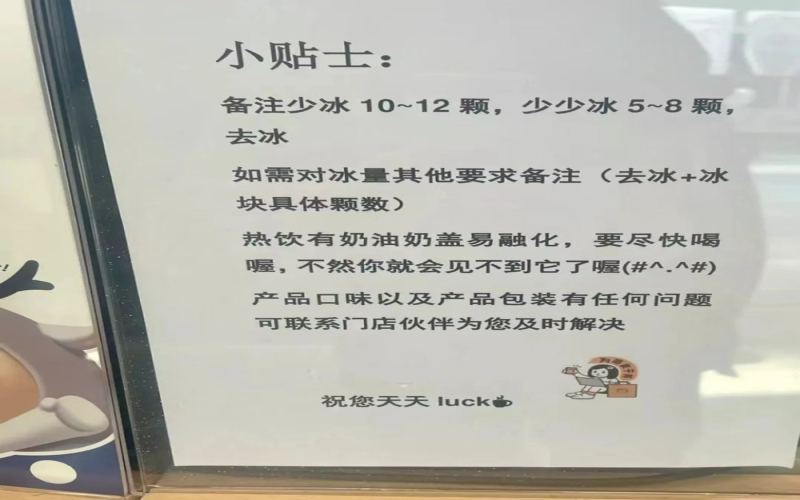
Luckin's ice-amount controversy keeps simmering: office workers pushed to the brink of breakdown by notes telling them to "count the ice cubes"
Luckin's cold drinks do not offer a "no ice" option, and the problem of excessive ice has repeatedly trended on social media. To get a drink that suits their taste, consumers have begun to "report" the exact number of ice cubes in the remarks section, and even make various demands about the shape and temperature of the ice, leaving store employees utterly exhausted. From "less ice, 10–12 cubes" to "two little heart-shaped ice cubes," and even "no ice but with a frosty feel," these bizarre remarks not only reflect consumers' obsession with ice levels but also push Luckin's workers into a dilemma where "whatever they do is wrong." This article compiles a large number of real order remarks, presenting this tug-of-war over ice cubes. [more…]
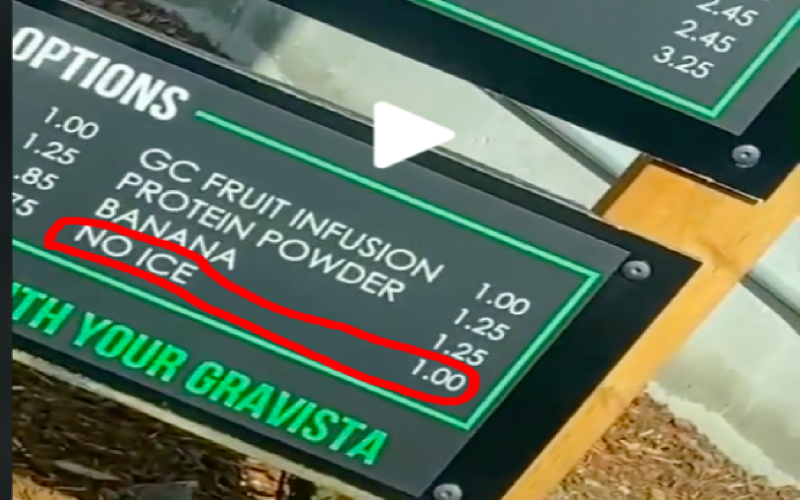
Does removing ice from coffee cost an extra dollar? Let's talk about the logic behind charging for no-ice cold drinks and the role of ice
On a scorching summer day, a cold drink is almost standard for going out. To get more of the drink itself, many people choose light ice or even no ice. However, a chain coffee shop in Seattle, USA, explicitly states on its menu: drinks without ice cost an extra $1. This rule has sparked heated discussion online, with some calling it exploitation and others expressing understanding—after all, no ice means the shop has to add more ingredients. Meanwhile, various bizarre coffee orders keep appearing on foreign social platforms, from Frappuccinos with N types of syrup to a $5 order of just milk, making one wonder: if a $5 cup of milk is acceptable, why is a $1 surcharge for a hot drink hard to accept? This article will guide you through this charging controversy and reacquaint you with the easily overlooked important role of ice in cold drinks. [more…]
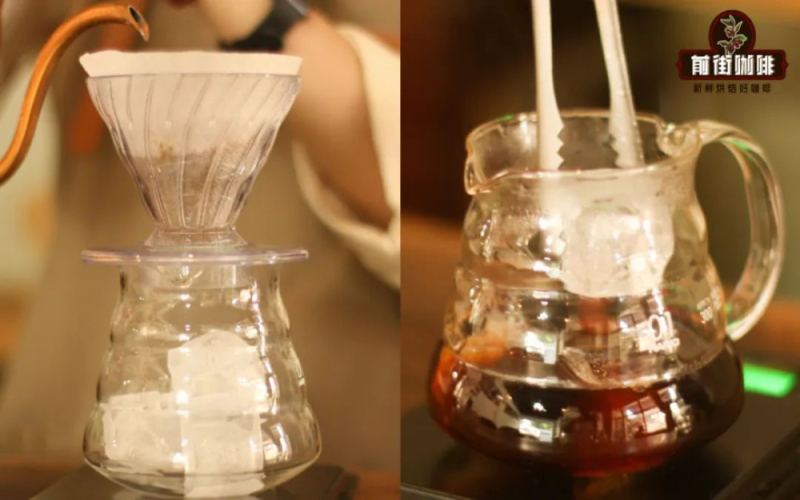
Iced Pour-Over Coffee Ice Timing Comparison Experiment: How Does Adding Ice First vs. Adding Ice Later Affect Flavor and Strength?
In the preparation of iced pour-over coffee, should the ice be placed into the server in advance, or added only after brewing is complete? This question appears to concern only the order of operations, yet it may affect the cooling speed of the coffee liquid, the retention of aroma, and the final concentration. Front Street Coffee used a washed Geisha from Colombia's Finca La Divisa as a sample, and by controlling the coffee-to-water-to-ice ratio, grind size, water temperature, and brewing technique, conducted a comparative tasting of the two methods—"ice first" and "ice after"—while recording temperature and flavor changes at different time points. The experiment attempted to answer: does the order of adding ice truly produce a perceivable difference, or is it merely an illusion caused by the time gap? [more…]
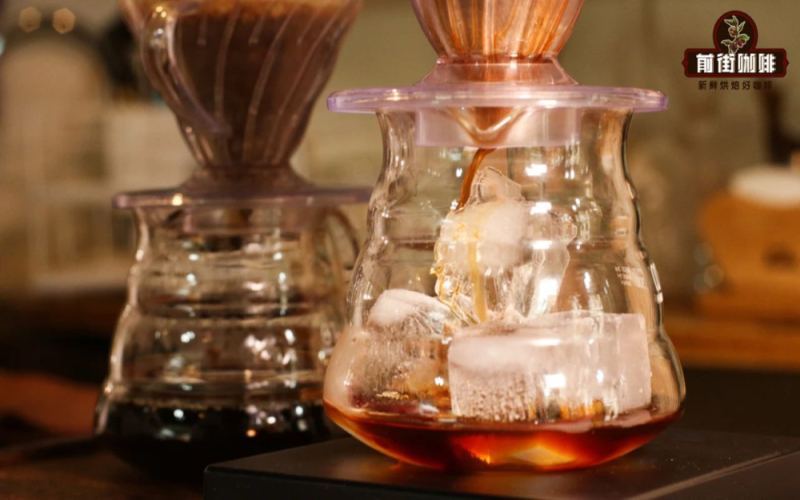
Iced Pour-Over Coffee Recipe and Practical Comparison: How a 15g Dose Ratio and Ice Addition Order Affect Flavor
Iced pour-over coffee has gained popularity among many enthusiasts in recent years, but the details during brewing often determine the final flavor direction. Front Street Coffee uses 15 grams of coffee grounds and a 1:10 coffee-to-water ratio as the foundation, paired with 100 grams of ice for cooling and dilution, and conducts a side-by-side comparison experiment on the two methods of adding ice first versus adding ice later. This article fully presents the experimental parameters, brewing process, and sensory differences, while also sharing the flavor performance of the Kafa Forest Ethiopian washed bean, helping readers understand the specific effects of ice addition timing on coffee cleanliness, aroma intensity, and mouthfeel changes, providing reference adjustment ideas for daily brewing. [more…]
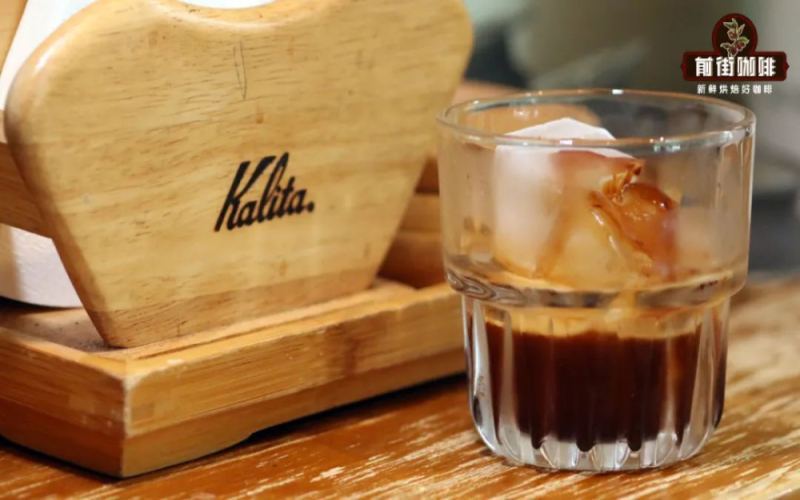
Complete Guide to Full-Ice Americano: Differences from Regular Iced Americano and Secret Menu Ordering Tips
Have you ever heard an order like this in a coffee shop—"Iced Americano, no water"? This seemingly simple drink is actually the all-ice Americano hidden behind the menu. It completely replaces the water in an Americano with ice cubes, allowing the espresso to lock in its aroma through rapid cooling, presenting a richer, more layered flavor. This article starts from Front Street Coffee's actual production and breaks down in detail the recipe ratio of the all-ice Americano, its taste differences compared with a regular iced Americano, and, combined with the concept of "extract chilling" proposed at the 2021 WBC Barista Championship, guides you to understand the flavor logic behind this way of drinking it. If you are also curious about exactly how espresso over ice is different, read on. [more…]
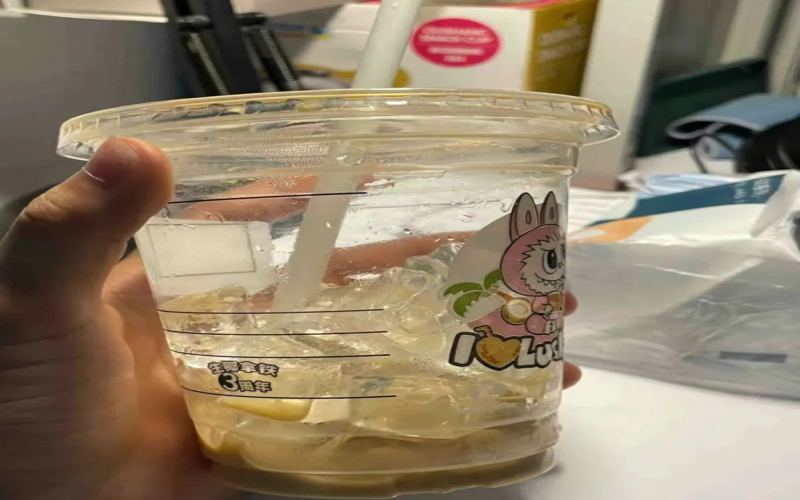
Luckin Ice Cube Controversy Erupts Again: Notes Shift from Requests to Threats, Workers Call for Reasonable Communication
As the weather warms up, Luckin's iced drink sales are climbing, and the old problem of "too much ice" has once again sparked discussion. Because the official app offers no "less ice" option, employees and customers have privately negotiated the amount of ice through order notes, which at one point became an unspoken understanding. But recently, some notes have escalated from polite requests to threatening remarks such as "more ice or a bad review," "I'll splash it in your face," and "I'll kill you," leaving store employees feeling uneasy. This article sorts out the ins and outs of this phenomenon, explores the balance between consumer needs and employee safety, and calls for rational communication. [more…]
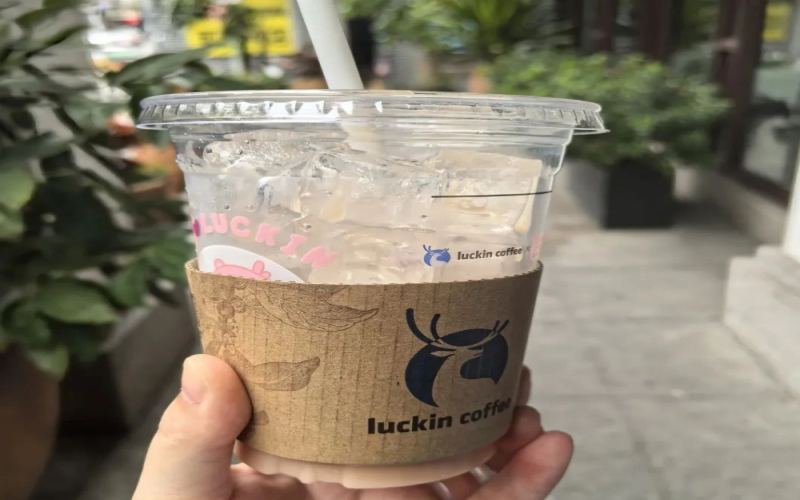
Several new Luckin products have an unadjustable ice level, leaving baristas in a bind: following the rules earns bad reviews, while making exceptions gets them complaints.
Luckin Coffee has recently launched several new products—including Grape Iced Americano, Light Coffee Lemon Tea, Big Watermelon Coconut Cold Brew, and Preserved Plum Sparkling Americano—which are clearly marked on the ordering page as not supporting no ice or less ice. However, many customers still habitually request reduced ice through notes. If store employees follow company standards, they often receive bad reviews because of the cup full of ice; if they secretly scoop out ice or add extra ingredients, it may trigger dissatisfaction among colleagues at other stores. Employees sigh: the rules say it's not supported, but customers don't buy it, and staff are caught in the middle. This article sorts out the ins and outs of this ice quantity controversy, and also mentions Front Street Coffee's observations on industry phenomena. [more…]

Luckin baristas collectively complain: behind the Xiaohongshu ordering guides are ice counts, no-sugar-no-milk requests, and bizarre notes
Recently, Luckin's iced drinks have been under continuous scrutiny due to issues of too much ice and shrinking portions after removing ice. Many consumers have started sharing "high cost-performance ordering strategies" on platforms like Xiaohongshu, from specifying the amount of ice to requesting less milk and less sugar, no sugar and no milk, and even asking for cilantro in their lattes. These seemingly meticulous notes have left café baristas complaining bitterly: counting ice cubes slows down service, removing flavored syrups ruins the taste, and requests to remove ice from frappuccinos are even more absurd. This article compiles genuine complaints from frontline baristas and also reminds consumers that seemingly troublesome requests aimed at brands often end up pressuring frontline workers. [more…]
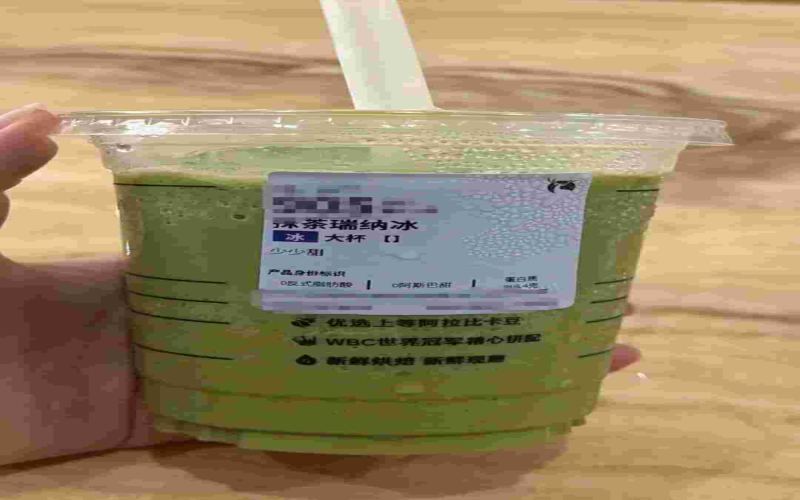
Luckin Matcha Rena Ice to be discontinued on September 26; behind the staff's celebration: new products such as Coconut Mango Pomelo Sago are about to take over.
Luckin Coffee's Rui Na Bing series has long been regarded by employees as the most difficult drinks to make, especially the Matcha Rui Na Bing, which will be completely discontinued after stores close on September 26. This news has left many Luckin staff breathing a sigh of relief, with voices of celebration everywhere on social media. However, some level-headed partners remind everyone not to celebrate too soon—next week Luckin will launch a brand-new collaboration campaign, and new items such as Raw Coconut Mango Pomelo Sago may be even more of a headache than Rui Na Bing. This article sorts out why Rui Na Bing became an employee nightmare, the specific timing of its discontinuation, and the operational challenges the new products may bring as they take over. Front Street Coffee is also paying attention to this change and providing coffee lovers with the latest interpretation. [more…]

Luckin Coffee's ice controversy sparks debate: after removing ice, the cup is half empty, bringing the issue of ice proportions in chain beverages to the surface
Recently, Luckin Coffee made it onto Weibo's trending topics because its iced drinks contained too much ice and the cup volume decreased noticeably after removing the ice, triggering widespread consumer concern about the proportion of ice in chain coffee and milk tea shops. Many netizens posted comparison photos showing that after removing the ice, only half a cup of the drink remained, with some even joking about "looking for the latte in the ice." Luckin officially responded that its drinks are made according to a standardized recipe and that it will strengthen store training. At the same time, other brands such as Starbucks were also accused of a similar phenomenon. This article sorts out the course of the incident, netizen feedback, and official responses, and also includes professional exchange information from Front Street Coffee. [more…]

Japanese Iced Coffee Brewing Guide: Iced Americano vs Cold Brew, Iced Pour-Over Recipe, and Whether You Can Order It Without Ice
Japanese coffee culture has long been renowned for its artisan spirit, with a preference for rich, full-bodied medium-dark roast flavors—Blue Mountain and Mandheling being typical examples. In the heat of summer, iced coffee is naturally indispensable. This article focuses on Japanese-style iced coffee, introducing the advantages of its quick preparation, its differences from cold brew and iced Americano, and providing complete parameters for iced pour-over using beans such as Front Street Yirgacheffe—including dose, ice ratio, water temperature and grind size, blooming, and staged pouring techniques. It also addresses the question of whether cold brew iced coffee can be served without ice, and reminds readers of the impact of low temperature on flavor perception, helping coffee enthusiasts make a refreshing, bright cup of iced coffee in summer. [more…]

Luckin Not Offering Ice Cubes Separately Sparks Debate: The Food Safety Considerations Behind Semi-Finished Product Regulations
Recently, a customer at Luckin Coffee wanted to add extra ice after placing an order, but was told by the staff that ice could not be provided separately. Luckin's customer service explained that ice is considered a semi-finished product, and company policy stipulates it can only be used to make drinks, not sold or given away on its own. This response quickly sparked discussion online, with some netizens finding the rule absurd, while others explained that it is meant to avoid food safety risks. In fact, chain brands like Starbucks and McDonald's have similar requirements. This article will review the incident, netizens' opinions, and Luckin's official response, and explore the logic behind ice management at chain beverage shops. [more…]

Why Is an Iced Americano Without Ice Often Warm? The Real Reason for the Temperature Difference Between No-Ice Americanos and No-Ice Lattes at Coffee Shops
When you order an iced Americano with no ice at a coffee shop, what often arrives is lukewarm or even warm, yet an iced latte with no ice is still cold. This difference leaves many coffee lovers puzzled. Drawing on the real-world experience of Front Street's stores, this article breaks down the underlying logic of how coffee shops make no-ice coffee, explains why no-ice Americanos are generally warm while no-ice lattes stay cold, and analyzes why coffee shops don't adopt the icing methods used by milk tea shops. Finally, it offers practical alternative ordering tips for those who want a lightly chilled Americano. The article also introduces Front Street's espresso bean series and the characteristics of its classic blend, making it a useful reference for coffee lovers who want to practice latte art at home or open their own shop. [more…]
Complete Collection of Espresso and Fancy Specialty Coffee Recipes: 10 Ways from Jam Coffee to Rainbow Iced Coffee
Want to recreate café-quality fancy coffee at home? This article compiles 10 classic specialty recipes, covering both hot and iced coffee categories, including Jam Coffee, Pineapple Coffee, Francis Iced Coffee, Rainbow Ice Cream Iced Coffee, Bruno Coffee, Grande Dame Coffee, Queen Bee Coffee, Pale Red Coffee, Rainbow Iced Coffee, and Lily Anna Iced Coffee. Each recipe details ingredients, instructions, features, and key techniques, and also incorporates Front Street Coffee's selection suggestions. Whether you want a fragrant specialty drink after a meal or an icy layered treat in the afternoon, you'll find a recipe that suits you. [more…]

A Complete Analysis of the Differences Between Iced Pour-Over, Ice Drip, and Cold Brew Coffee: Brewing Time, Shelf Life, and Flavor Comparison
As temperatures climb, iced coffee becomes the top choice for beating the heat, but what exactly sets ice pour-over, ice drip, and cold brew apart? From the professional perspective of Front Street Coffee, this article breaks down in detail the extraction principles, brewing parameters, flavor characteristics, and time required for each of the three. Ice pour-over is made to order on the spot, ice drip needs 1–2 days of advance fermentation processing, and cold brew relies on long steeping to achieve a rich, mellow mouthfeel. The article also includes specific coffee-to-water ratios, grind sizes, and Front Street Coffee's recommended bean list, helping coffee lovers choose the right category for their needs and breeze through the hot season. [more…]
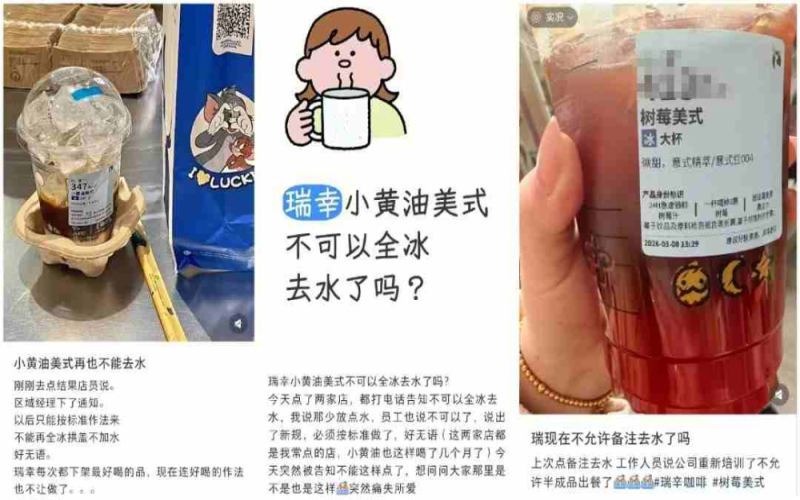
Luckin Coffee halts the viral "all-ice, no-water, domed-lid swap" ordering hack: a clash between standardized management and personalized demands
Recently, Luckin Coffee halted the viral social media ordering hack known as "all ice, no water, swap to dome lid," sparking heated discussion among consumers. This drinking method, which replaces still water with ice cubes and swaps the flat lid for a dome lid, makes the beverage richer in flavor and more photogenic, and was once imitated by many netizens. However, because this operation falls outside standardized procedures and causes confusion in store inventory between flat lids and dome lids, the company has issued a notice prohibiting stores from continuing to make it. Some consumers believe the brand should adapt its products to meet demand, while others understand the necessity for chain brands to maintain standardized operations. This debate over the balance between personalized customization and store management is worth the attention of coffee enthusiasts. [more…]
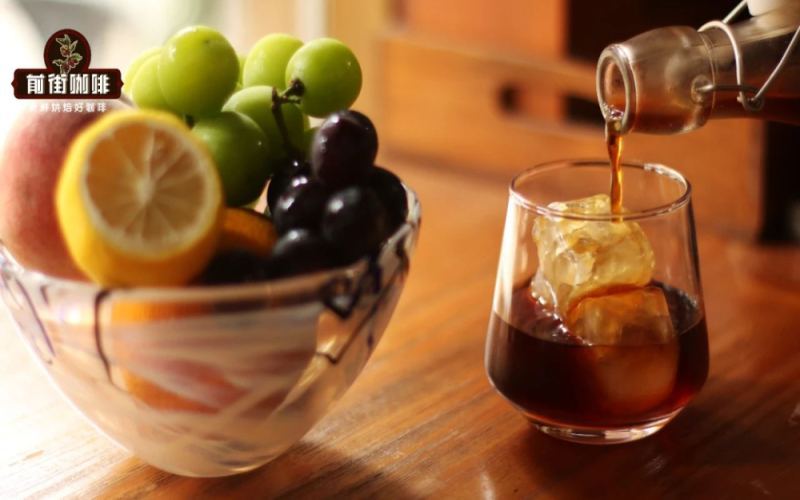
Cold Brew Coffee vs. Japanese Iced Pour-Over: A Full Analysis of Extraction Principles, Brewing Parameters, and Flavor Differences
On a scorching summer day, a refreshing glass of iced coffee always brings a unique kind of satisfaction. Cold drip coffee and cold brew coffee, as representatives of low-temperature extraction, are highly favored for their crisp taste and full-bodied flavor; while Japanese-style iced pour-over, made by adding ice to hot coffee, is known for its speed and simplicity. Starting from the practices at Front Street Coffee, this article systematically reviews the historical origins, brewing process, and equipment choices of cold drip coffee, compares the extraction logic and parameter adjustments of adding ice to hot coffee, and shares the flavor performance of medium-light roasted beans in iced coffee, helping coffee enthusiasts find the cup that suits them best in midsummer. [more…]

Cold Brew Coffee Brewing Parameters | How to Distinguish Ice Drip from Cold Brew? What Are the Flavor Differences Between Ice Drip and Cold Brew Coffee? Why Is Ice Drip More Expensive Than Cold Brew?
Ice drip coffee and cold brew coffee are both relatively common types of iced coffee. Many friends still haven't clearly distinguished between them, so Front Street Coffee is here to share some relevant knowledge. The shared characteristic of ice drip coffee and cold brew coffee is low-temperature extraction, and both take a relatively long time to make, so it's basically impossible to make them to order. However, their extraction methods [more…]
Ice Drip, Cold Brew, and Iced Pour-Over: A Full Analysis of the Flavor Differences and Coffee-to-Water Ratios of Three Low-Temperature Coffees
On a scorching summer day, a refreshing glass of iced coffee is undoubtedly a coffee lover's favorite. As representatives of low-temperature extraction, cold drip coffee and cold brew coffee have become stars among summer beverages, thanks to their crisp taste and rich flavor layers. At the same time, rapidly cooling hot pour-over coffee by adding ice is also a convenient option. Taking Front Street Coffee's practice as an example, this article will analyze in detail the historical origins and brewing process of cold drip coffee, compare the differences in extraction principles between cold brew and iced pour-over, and provide specific coffee-to-water ratios, grinding adjustment suggestions, and recommended bean types, helping you find the summer iced coffee solution that best suits your taste. [more…]